
Navigating agricultural operations requires a strong legal strategy to protect generational land and assets. Agriculture continues to evolve with complex financial structures, shifting environmental mandates, and regulatory oversight. Operating a farm or ranch without proper corporate shields exposes personal assets to unnecessary risk. Establishing a dedicated legal entity ensures continuity, asset protection, and tax efficiency for landholders across the Midwest.
Choosing the Right Business Structure for Agricultural Operations
Selecting an appropriate entity type is the foundation of long-term risk management. Farmers and ranchers often operate as sole proprietorships by default, which leaves personal assets vulnerable to operational liabilities, debt claims, and equipment accidents.
Limited Liability Companies (LLCs)
An LLC provides flexibility in management while insulating personal accounts from farm liabilities. For multi-member family operations, an LLC allows clear division of duties, custom profit distribution, and smooth membership transfers without disrupting day-to-day work.
Family Corporations
Under state corporate farming restrictions, traditional corporate structures must meet specific family ownership thresholds to acquire or hold farm real estate. Establishing a qualified family farm corporation protects voting rights while maintaining compliance with state statutes.
Limited Partnerships
Limited partnerships allow non-operational family members to contribute capital as limited partners while active operators retain general management duties. This structure separates management decisions from passive financial interests.
Regulatory Compliance and Corporate Farming Laws
State regulations maintain strict guidelines regarding who can hold agricultural real estate. The primary purpose of these laws is to preserve local land ownership and prevent unauthorized corporate syndicates from purchasing acreage.
Navigating these requirements requires precision. For example, working with an experienced agriculture law firm helps structure business contracts, operating agreements, and compliance filings correctly. Non-compliance can trigger mandatory land divestment, state fines, or invalidation of property deeds.
Ownership Thresholds: Ensuring a majority of voting stock remains with family members related within defined statutory degrees.
Annual Reporting: Filing yearly ownership disclosures with state authorities to preserve corporate exemptions.
Lease Agreements: Structuring cash-rent or crop-share contracts to maintain active farming status under statutory guidelines.
Protecting Farm Assets and Succession Planning
A clear corporate framework simplifies transfer of ownership across generations. Without proactive planning, the death or departure of a primary operator can lead to court delays, forced land sales, or crippling tax liabilities.
Partnering with seasoned lawyers in nebraska allows families to establish clear buyout agreements, rights of first refusal, and trust structures tailored to agricultural realities.
Buy-Sell Agreements
A well-drafted buy-sell agreement controls how ownership shares transfer if a partner retires, passes away, or exits the business. This prevents outside parties or non-farming heirs from forcing a liquidation of farm acreage.
Separating Land from Operations
Creating one entity to own land and a second entity to manage farming operations limits liability. If an accident occurs in the daily operational business, the underlying real estate held by the separate land-holding entity remains protected from judgments.
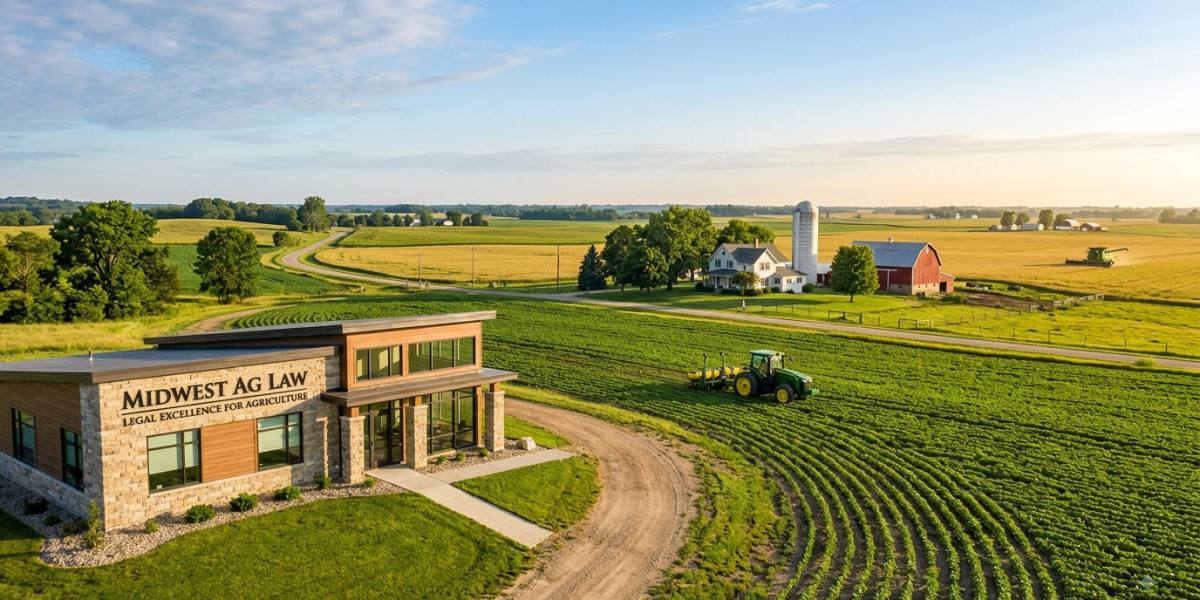
When restructuring operational entities or drafting governance documents, working alongside established attorneys at Midwest Ag Law ensures your corporate framework complies with all local, state, and federal statutes.
Key Takeaways for Agricultural Business Leaders
Operating without a formal entity puts personal wealth at risk from farm-related liabilities.
Corporate structures must comply with state-specific corporate farming restrictions.
Decoupling land ownership from daily operational entities shields real estate from operational lawsuits.
Formal buy-sell provisions preserve family ownership across generations.
Conclusion
Building a resilient agricultural enterprise requires more than traditional farm management; it demands robust legal infrastructure. Structuring your business through verified corporate entities secures your land, manages liability, and protects family wealth for generations to come.
Frequently Asked Questions
Q1: Why should an agricultural operation form an LLC?
An LLC insulates personal assets from farm liabilities, simplifies operational management, and facilitates seamless transfer of ownership shares among family members.
Q2: What is a corporate farming law?
It is a state statute restricting non-family corporations and investment syndicates from owning or leasing agricultural land to preserve family farm ownership.
Q3: How does separating land and operational entities reduce risk?
It isolates equipment, labor, and operational liabilities within one business, ensuring land held in a separate entity remains safe from legal claims.
Q4: Can non-farming family members hold shares in a family farm LLC?
Yes, non-farming members can hold passive ownership shares while operational control stays with active farming members through tailored operating agreements.
Q5: What happens if a farm operating entity fails to file annual state reports?
Failure to file can lead to the loss of good standing, loss of corporate farming exemptions, potential fines, or forced land divestment.