
A family farm is far more than a physical business or piece of real estate. It represents decades of hard physical effort, significant capital investment, and deeply personal heritage. Yet, operational liabilities, complex state regulations, and generational transfers pose continuous risks to rural land ownership.
Without proactive legal preparation, unpredicted circumstances such as family disputes, estate tax burdens, or informal lease arrangements can break apart decades of progress overnight. Securing guidance tailored specifically to agricultural operations helps guarantee that your acreage, equipment, and livestock remain protected for the next generation.
Legal Complexities Facing Modern Agricultural Operations
Modern farming requires navigating a distinct web of state statutory requirements, federal environmental standards, and local ordinances that general commercial legal templates simply fail to handle properly. Using standardized legal documents created for city businesses often introduces severe vulnerabilities into a agricultural operation.
Farm Succession and Estate Tax Mitigation
Transferring agricultural land to children or relatives requires careful balancing, particularly when some heirs work the land daily while others pursue careers off the farm. A basic will or unfunded trust without specific allocation mechanisms frequently forces land sales merely to cover estate taxes or buyout settlements. Effective estate planning relies on specific instruments:
Revocable Living Trusts: Structuring farmland and real property deeds into living trusts avoids public county probate court, eliminating prolonged administrative delays and high filing costs.
Buy-Sell Agreements: Setting explicit land valuation formulas and purchase payment terms for on-farm heirs prevents operational deadlocks or forced land liquidations.
Asset Retitling: Ensuring that tractor titles, livestock records, irrigation equipment, and real property deeds align precisely with entity documentation.
Gifting Strategies: Utilizing annual gift tax exclusions to gradually transfer non-voting equity to younger generations while retaining operational control.
Entity Structuring for Risk Insulation
Operating an agricultural business as an informal sole proprietorship leaves personal savings, personal land holdings, and home equity exposed to operational liabilities, equipment accidents, and creditor claims. Organizing under custom legal entities creates crucial financial separation:
Limited Liability Companies (LLCs): Protect personal savings while allowing flexible operational management rules tailored to multi-member family arrangements.
Operating Agreements: Defining explicit rules regarding capital calls, profit distribution schedules, decision-making authority, and partner exit procedures.
Custom Flight and Ag Aviation Protocols: Managing regulatory compliance and specialized liability coverage for operations utilizing private aircraft or aerial applicators.
Real Estate Rights, Water Management, and Energy Contracts
Farmland ownership brings ongoing regulatory responsibilities and frequent proposals from outside commercial entities. Long-term agreements such as wind leases, solar developments, or pipeline easements involve commitments that affect land use rights for multiple generations.
Navigating Land Leases and Energy Easements
Energy companies typically present standardized, multi-decade lease contracts drafted almost entirely in favor of the developer. Careful contract evaluation protects property rights by focusing on critical terms:
Surface Rights Protection: Restricting developer access to specified corridors to preserve continuous row-crop cultivation and center-pivot irrigation patterns.
Financial Protection Clauses: Establishing automatic inflation adjustments, property tax indemnity provisions, and compulsory decommissioning bonds.
Environmental Liability Defense: Ensuring the energy firm holds full financial responsibility for soil compaction, field tile destruction, or chemical spills occurring during construction.
Water Rights and Local Regulatory Compliance
Water rights represent one of the most vital financial components of Midwestern agricultural land values. Navigating local Natural Resources District guidelines, well pumping restrictions, and surface water runoff rules demands precise legal oversight. Failing to maintain compliant irrigation permits or violating historical allocation limits can cause substantial administrative fines or restricted pumping allowances that lower land yields.
Choosing the Right Legal Partnership for Your Operation
Resolving complex operational challenges requires legal guidance from professionals who understand rural life and working agricultural operations from personal experience. Working with qualified agriculture solicitors ensures that custom contracts, ground leases, and estate plans address operational realities rather than abstract theory.
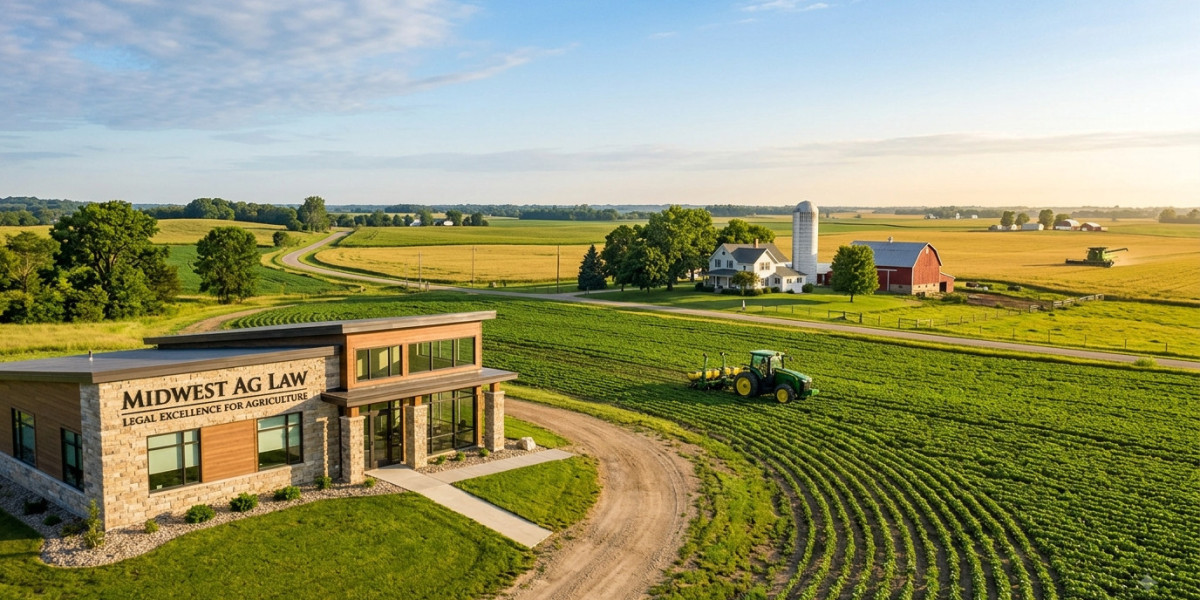
Proactive operations throughout the region work with specialized practices like Midwest Ag Law to build practical, flat-fee legal frameworks that protect family holdings against unexpected liabilities and county court disputes. Experienced nebraska advocates collaborate directly with farmers, ranchers, and land owners to handle county probate processes, negotiate energy developer terms, and structure durable business entities that stand up over time.
Securing the Future of Rural Land Ownership
Ensuring long-term stability for an agricultural business requires forward-thinking legal planning rather than hasty reactions during a crisis. Putting in place funded revocable trusts, clear entity operating agreements, and balanced succession provisions ensures that your property stays in trusted hands. Taking steps to organize land holdings and operational documentation today guarantees that your farm continues operating, growing, and supporting future generations smoothly.
Frequently Asked Questions
Q1: Why is a basic will insufficient for a working farm?
A basic will does not prevent county probate court, fails to resolve non-farming heir buyouts, and leaves real property vulnerable to administrative delays.
Q2: What happens if farm land is not transferred into a revocable trust?
Unfunded real estate goes through formal probate court, creating public records, extra legal expenses, and potential delays in seasonal land management decisions.
Q3: How does an LLC protect personal farm assets?
A properly structured LLC separates business operational liabilities, machinery debt, and personal injury claims from an individual's personal savings and private home ownership.
Q4: Are verbal farm leases enforceable under state law?
Verbal leases present significant dispute risks regarding termination notices, crop input reimbursements, and maintenance obligations; written contracts remain critical for legal protection.
Q5: Can long-term wind or solar leases harm overall land value?
Unreviewed energy leases can restrict future farming activities, damage field drainage systems, complicate land sales, and cloud real estate titles for decades.