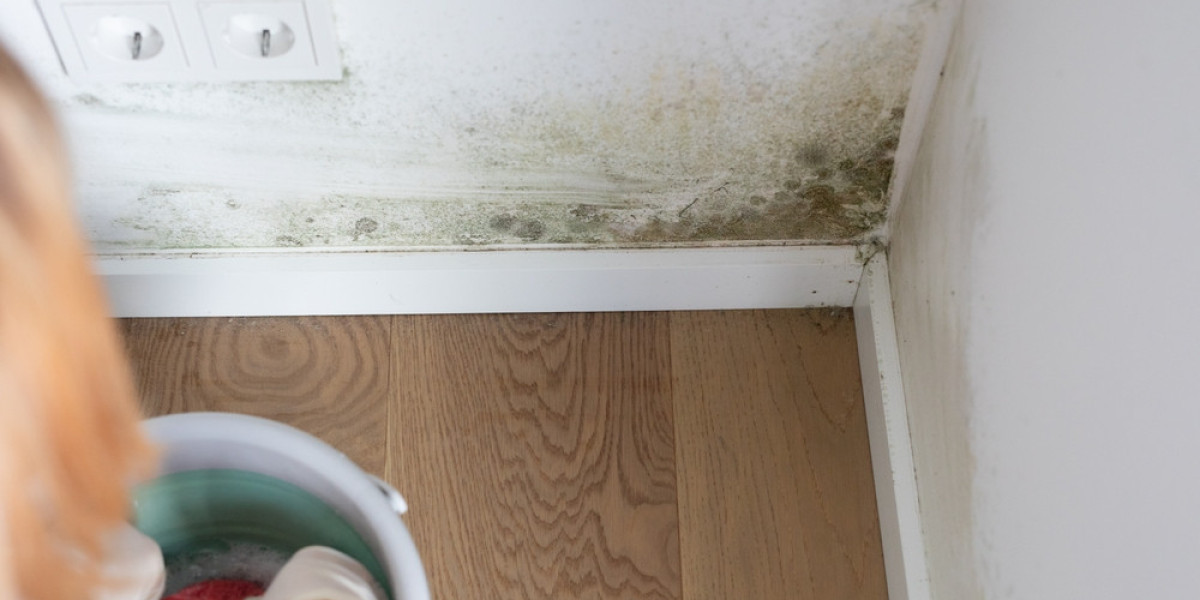

Quick Summary: Old water damage does not always disappear simply because a wall looks dry or a stain has been painted over. Moisture can remain trapped behind drywall, insulation, flooring, cabinets, or other building materials. Changes in humidity, plumbing problems, roof leaks, condensation, or renewed water intrusion can reactivate conditions that support mold growth. Understanding these hidden moisture pathways can help property owners recognize problems earlier and seek professional mold remediation los angeles services when necessary.
Introduction
Water damage is often treated as a problem that ends once visible water has been removed. In reality, the effects of an earlier leak can remain hidden inside a building for years. A repaired pipe, dried floor, or freshly painted wall may create the impression that everything has returned to normal, while moisture-damaged materials remain vulnerable beneath the surface.
According to the United States Environmental Protection Agency, moisture control is the key to controlling indoor mold. The agency also notes that wet materials should generally be dried within 24 to 48 hours after a leak or spill to reduce the likelihood of mold growth.
For Los Angeles property owners, understanding why old water damage can return is especially important because a building can experience changing indoor humidity, plumbing issues, roof problems, condensation, and seasonal moisture conditions. When hidden damage becomes active again, mold remediation los angeles may become necessary to address both the visible growth and the underlying moisture problem.
Why Old Water Damage Does Not Always Stay in the Past
Water does not always remain where it first appears. When a pipe leaks inside a wall, for example, water can travel along framing members, insulation, drywall, flooring systems, and other concealed spaces.
The visible portion of the damage may dry relatively quickly while moisture remains trapped deeper inside. Porous materials can absorb water, making complete drying more difficult. If those materials remain damp, they can create an environment where mold can develop.
The Centers for Disease Control and Prevention explains that mold can grow on materials such as drywall, wood, insulation, carpet, wallpaper, cardboard, and other materials when excessive moisture is present.
This means an old leak can remain relevant long after the original incident appears to have been resolved.
Hidden Moisture Can Create a Delayed Problem
One of the most challenging aspects of old water damage is that moisture can be difficult to see.
A wall may look completely normal from the outside while moisture remains behind it. Similarly, a previous roof leak may have affected insulation or ceiling materials without leaving an obvious opening. A cabinet may conceal damaged drywall, while flooring can cover moisture-affected subflooring.
Professional mold remediation los angeles work often begins with determining where moisture is coming from and how far the affected area extends. A thorough evaluation may include visual inspection, moisture measurements, examination of suspicious materials, and investigation of areas connected to the original water intrusion.
This approach matters because removing visible mold without addressing the moisture source can allow the problem to return. The EPA specifically states that mold cleanup should be accompanied by fixing the water or moisture problem.
Humidity Can Reactivate Previously Vulnerable Areas
Old water damage does not necessarily require another major leak to become a problem.
Changes in indoor humidity can affect materials that were previously damaged by water. If drywall, wood, insulation, or other porous materials were weakened or incompletely dried during the original incident, increased moisture can create conditions favorable to renewed microbial growth.
The EPA recommends keeping indoor relative humidity below 60 percent when possible, with an ideal range of 30 to 50 percent.
For Los Angeles properties, maintaining appropriate indoor humidity can therefore be an important part of preventing recurring moisture problems. Bathrooms, kitchens, laundry areas, poorly ventilated rooms, and spaces affected by air conditioning condensation deserve particular attention.
Small Leaks Can Reopen Old Problems
A property does not need to experience another major flood for an old water-damaged area to become active again.
A slow plumbing leak, a failing seal around a fixture, a blocked drainage line, a roof defect, or condensation near a cooling system can introduce enough moisture to affect previously compromised materials.
This is why recurring discoloration, musty odors, peeling paint, bubbling surfaces, warped flooring, or repeated staining should not automatically be treated as cosmetic problems.
These signs can indicate that moisture is entering or accumulating somewhere that requires further investigation. If mold growth is discovered, mold remediation los angeles can involve identifying affected materials, containing the work area when appropriate, removing or cleaning damaged materials, and correcting the moisture source.
Why Mold Can Appear Years After the Original Leak
Mold spores are naturally present in indoor and outdoor environments. Their presence alone does not mean a building has a mold problem. The critical factor is whether suitable moisture and other growth conditions exist.
The CDC explains that mold can enter buildings through doors, windows, vents, heating and cooling systems, clothing, shoes, and other pathways. When spores encounter excessive moisture, they can grow on suitable materials.
Consequently, an old water-damaged location can become a renewed growth area if moisture returns. The mold itself may be new even though the underlying vulnerability was created years earlier.
This distinction is important. A property owner may think, “The leak happened years ago, so this cannot be related.” However, the original water event may have created concealed damage that continues to influence the building.
Signs That Old Water Damage May Be Returning
Property owners should pay attention to changes that seem minor but repeatedly occur in the same area.
Potential warning signs include:
- Musty or earthy odors that persist or return
- Brown, yellow, or otherwise unusual water stains
- Peeling, bubbling, or discolored paint
- Warped flooring or trim
- Soft or deteriorating drywall
- Repeated condensation
- Visible mold growth
- Unexplained increases in indoor dampness
- A recurring stain after rain or plumbing use
- Odors that become stronger when humidity increases
A single sign does not automatically prove that mold is present. However, recurring signs deserve investigation, particularly when they occur near a location with a history of water damage.
What Professional Mold Remediation Can Address
When a mold problem is connected to previous water damage, surface cleaning alone may not be enough.
Professional mold remediation los angeles can focus on the complete moisture and mold problem rather than simply treating what is visible. The appropriate process depends on the size of the affected area, the materials involved, the source of moisture, and the extent of contamination.
An assessment may help determine whether affected materials can be cleaned and dried or whether some porous materials need removal. The EPA notes that larger mold problems and situations involving substantial water damage may warrant professional assistance.
A professional approach should also prioritize preventing further moisture intrusion. Otherwise, even extensive cleaning may provide only a temporary improvement.
Why Removing Mold Without Fixing Moisture Is Not Enough
One of the most important principles of mold management is simple: eliminate the moisture source.
If mold is cleaned while a leaking pipe continues to release water, the underlying conditions remain. Likewise, if condensation continues to keep a wall damp, cleaning the surface alone will not solve the larger problem.
The EPA states that if mold is cleaned but the water problem is not corrected, the mold problem is likely to return.
That is why effective mold remediation los angeles should consider both the mold and the conditions that allowed it to develop.
Why Moisture Detection Matters During an Inspection
Visual inspection is important, but hidden moisture may not always be visible.
Professionals can use moisture measurement equipment to evaluate building materials and identify areas that may require closer examination. Infrared technology may also help identify temperature differences associated with moisture conditions, although such tools require proper interpretation and should not be treated as standalone proof of mold.
The National Institute for Occupational Safety and Health emphasizes that hidden moisture can occur in areas such as wet insulation and that identifying and correcting dampness is more effective for prevention than relying solely on air sampling.
For this reason, property owners should focus on understanding the building's moisture history rather than relying exclusively on a single test result.
When Property Owners Should Consider Professional Help
Not every small household mold spot requires professional remediation. The EPA indicates that areas smaller than approximately 10 square feet can often be handled by homeowners using appropriate cleanup guidance. Larger areas, extensive water damage, contaminated water, or suspected heating and cooling system contamination can require professional attention.
Professional assistance can be particularly useful when:
- The original water source is uncertain.
- Mold appears to be growing behind walls or ceilings.
- The affected area is extensive.
- Water damage has affected porous materials.
- The problem repeatedly returns after cleaning.
- A property has experienced significant flooding.
- There is concern that a heating or cooling system may be contaminated.
In these circumstances, mold remediation los angeles can provide a structured approach to investigating, containing, cleaning, removing affected materials when appropriate, and addressing moisture conditions.
Preventing Old Water Damage From Becoming a New Problem
Prevention begins with moisture awareness.
Property owners should repair plumbing leaks promptly, inspect areas around sinks and appliances, maintain roof drainage, address condensation, keep indoor humidity under control, and investigate recurring stains or odors rather than covering them with paint.
The EPA recommends drying wet materials promptly and maintaining indoor humidity at appropriate levels to reduce mold growth.
Regular attention is particularly valuable in older buildings because previous repairs may have concealed water-damaged materials. A new leak may affect the same area and create conditions that were already vulnerable.
The Long-Term Lesson of Water Damage
Old water damage can be deceptive because buildings often hide the evidence of what happened years earlier. A repaired leak does not necessarily mean every affected material was restored, and a clean-looking wall does not guarantee that concealed spaces are dry.
When moisture returns, previously damaged areas can become favorable environments for mold growth. Understanding this connection can help property owners respond to warning signs before a small moisture issue develops into a larger building problem.
The CDC notes that damp and moldy environments can be associated with respiratory and other health effects, although individual responses vary.
Conclusion
Ultimately, the goal of mold remediation los angeles is not simply to make mold disappear from view. Effective remediation should address the conditions supporting growth, manage affected materials appropriately, and help prevent recurring moisture problems.
A property may look dry today while still carrying the consequences of yesterday's leak. Recognizing that possibility is one of the most important steps toward protecting the building, preserving materials, and maintaining a healthier indoor environment.