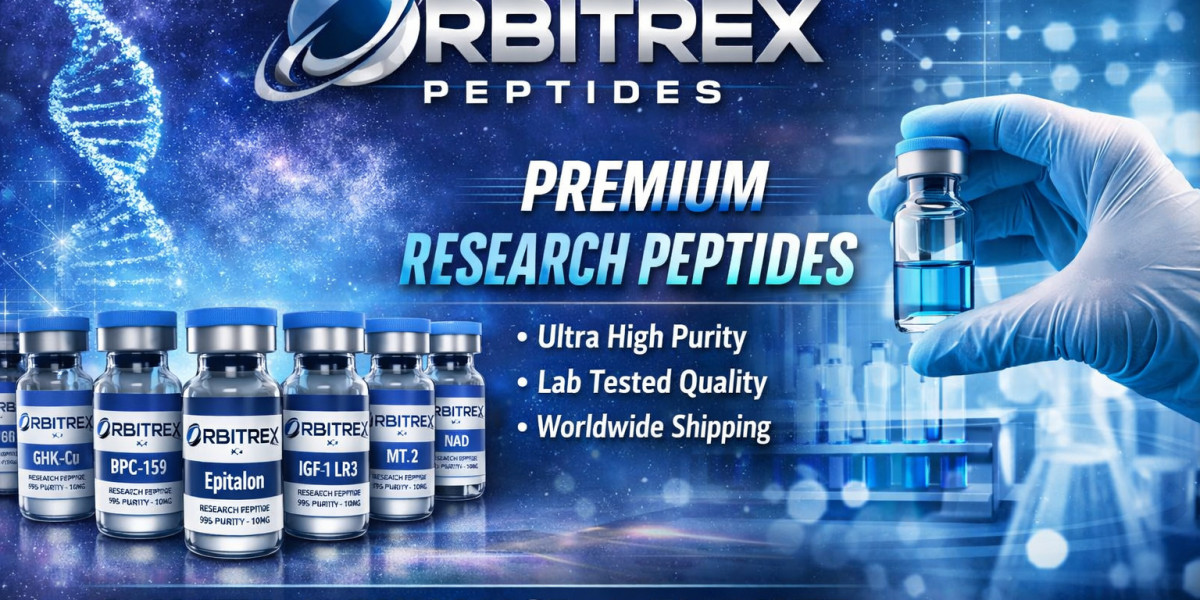

Scientific research continues to explore peptides across numerous disciplines, including biochemistry, molecular biology, analytical chemistry, and related fields. As laboratory investigations become more specialized, researchers need dependable materials and accurate information to support well-organized experimental workflows.
Scientific Research Peptides are specialized materials intended for laboratory investigation. Selecting appropriate research materials involves evaluating product information, documentation, storage requirements, and supplier transparency.
Understanding Scientific Research Peptides
Peptides are short chains of amino acids that can be investigated in a variety of scientific contexts. Researchers may study their characteristics, interactions, stability, and other properties depending on the objectives of a particular project.
Because research requirements vary between laboratories, researchers should carefully review available product specifications before selecting materials for an experiment.
Why Product Information Matters
Clear and detailed product information helps researchers make informed sourcing decisions. Useful information can include:
- Compound identity
- Stated purity
- Available quantities
- Storage recommendations
- Research-use statements
- Available analytical documentation
Having these details readily accessible can also simplify laboratory inventory management and research recordkeeping.
The Importance of Quality Documentation
Documentation is an important part of scientific research. When researchers have access to relevant analytical or quality information, they can better understand the stated characteristics of the materials they are evaluating.
Laboratories should maintain appropriate records of products, batches, storage conditions, and experimental procedures. Good documentation supports traceability and helps research teams maintain organized workflows.
Storage and Handling Considerations
Different peptide materials may have specific storage requirements. Researchers should review supplier guidance and follow established laboratory procedures to maintain appropriate storage conditions.
Proper inventory management can also help laboratories monitor quantities and identify which materials are associated with particular research projects.
Choosing a Research Peptide Supplier
When selecting a source for Scientific Research Peptides, laboratories can consider several factors:
Product Transparency
A supplier should provide clear descriptions and relevant technical information about its research materials.
Consistency
Consistent sourcing can be useful when laboratories conduct repeated experiments or long-term research projects.
Documentation
Accessible product and testing information can support laboratory recordkeeping and procurement decisions.
Research-Focused Positioning
Research-use-only products should be clearly presented for appropriate scientific and laboratory applications.
Responsible Research Practices
Scientific research requires responsible handling of laboratory materials. Researchers should comply with applicable laws, institutional policies, safety procedures, and other relevant requirements.
Research-use-only peptides should not be treated as products approved for human or veterinary use. Their application should remain within appropriate scientific research settings.
Exploring Scientific Research Peptides
Researchers looking for an online source of peptide research materials can explore Direct Peptides. The platform provides research-use-only peptide products and related information for laboratory and scientific applications.
Before purchasing any research material, laboratories should review product information and determine whether it aligns with their specific experimental requirements.
Building Better Laboratory Workflows
Supplier selection is only one part of an effective research process. Laboratories can strengthen their workflows by maintaining accurate inventories, documenting product and batch information, following storage recommendations, and applying standardized research procedures.
These practices can help improve organization and provide researchers with better traceability throughout their projects.
Conclusion
Scientific Research Peptides can serve as valuable materials for laboratory investigations across multiple scientific disciplines. However, effective sourcing requires more than product availability.
By considering product transparency, documentation, consistency, storage requirements, and responsible research practices, laboratories can make more informed sourcing decisions and establish organized workflows for peptide-focused research.